
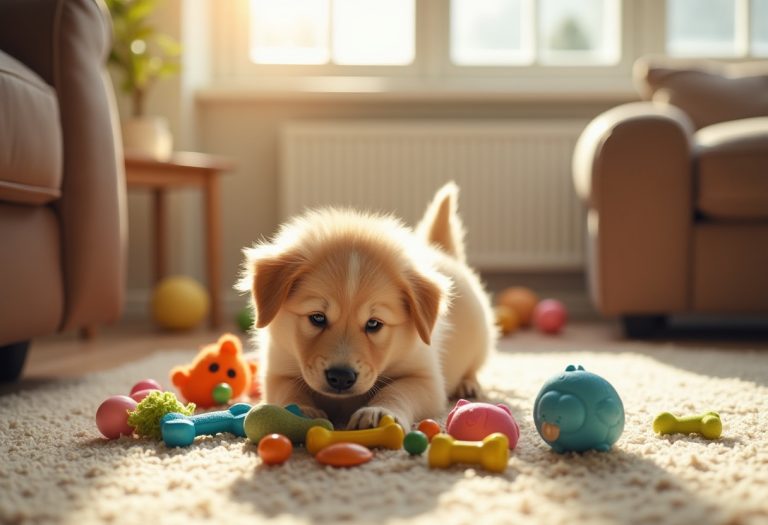

Every puppy owner knows the struggle of tiny teeth sinking into shoes, hands, furniture—and pretty much everything in sight. But what if you could stop your puppy from biting without resorting to punishment or fear-based techniques? The good news is, you absolutely can. In this guide, we’ll walk you through positive, effective, and humane methods to curb your pup’s biting habit—while still nurturing a happy and well-adjusted dog. So, let’s roll up our sleeves (and maybe hide the slippers) and dig in.
Understanding Why Puppies Bite
Before we talk about stopping biting, let’s understand why it happens. Puppies don’t bite to be naughty—they bite because it’s a natural and necessary part of their development.
Teething and Natural Instincts
Puppies, much like human babies, go through a teething phase. This happens between the ages of 3 to 6 months. Their gums get sore, and chewing provides relief. So if your pup is chewing your couch legs, it’s not rebellion—it’s dental survival!
Chewing also serves another biological purpose: exploring the world. Puppies don’t have hands, so their mouths become their tool to learn about new textures, shapes, and objects. Every chomp is essentially your puppy saying, “What is this thing and what does it do?”
Instinctively, puppies are also hardwired to practice their bite. In the wild, these behaviors prepare them for survival. Biting their littermates, chewing on bones, and playing rough are part of the package. So don’t take it personally—your puppy is just doing what puppies do.
Curiosity and Play Behavior
Play is a huge part of a puppy’s daily life, and biting is one of their top playtime tools. If you’ve watched two puppies playing, you’ll notice a lot of mouthy behavior—nips at ears, paws, and tails. This is how they engage with one another.
Unfortunately, when your puppy tries this with you or your furniture, the results aren’t so cute. But here’s the kicker: they don’t know the difference yet. That’s where gentle redirection comes in (we’ll get to that soon). For now, know that your puppy isn’t trying to hurt you—they think they’re playing just like they would with their littermates.
Lack of Bite Inhibition Training
Bite inhibition is a puppy’s ability to control the strength of their bite. They usually learn this from other puppies. When one bites too hard during play, the other yelps and stops the fun. This teaches the biter, “Too hard, tone it down.”
If your puppy didn’t get enough social time with littermates (which can happen with early adoption), they may not have learned this crucial skill. But don’t worry—it’s never too late to teach bite inhibition yourself, gently and effectively.
The Problem with Punishing Your Puppy
Let’s be clear: yelling, hitting, or using harsh corrections to stop biting not only doesn’t work—it can actually make things worse. You might stop the behavior temporarily, but the long-term consequences aren’t worth it.
Negative Impact on Trust
Your relationship with your puppy is built on trust. Every interaction you have either strengthens or weakens that bond. If you respond to biting with punishment, you risk creating fear. And a fearful puppy is more likely to develop anxiety, behavioral issues, or even aggressive tendencies down the line.
Instead of learning “biting is bad,” your pup learns “my human is scary.” That’s not the foundation we want to build.
Why Punishment Can Backfire
Punishment often addresses the symptom, not the cause. Sure, yelling might startle your pup into stopping—for a moment. But they don’t understand why. So the behavior usually returns, sometimes even worse.
What’s more, punishment can suppress normal puppy behaviors without offering alternatives. Imagine being told not to scratch an itch, without being offered any relief. Frustrating, right? That’s how your puppy feels when biting is met with scolding, but no guidance.
Alternative Mindsets for Correction
Instead of thinking “how do I stop this,” think: “what can I teach instead?” Positive reinforcement and redirection are your best friends here. They don’t just tell your pup what not to do—they show them what they should do.
Your puppy’s brain is like a sponge right now. This is the perfect time to shape behavior through consistent, gentle teaching. Not only will you reduce biting, but you’ll also raise a well-mannered, confident dog who trusts you completely.
Creating a Puppy-Safe Environment
One of the simplest ways to stop unwanted chewing and biting? Make it hard to do in the first place. Prevention is powerful, especially during the early stages of puppyhood.
Puppy-Proofing Your Home
Think of your home from your puppy’s perspective—low to the ground and full of chewable treasures. Shoes, cords, couch legs, kids’ toys… all fair game to a curious pup.
Start by removing tempting objects or putting them out of reach. Use baby gates to block off rooms. Secure loose wires, remove shoes from the floor, and keep laundry off the ground. Basically, if you don’t want teeth marks on it—move it.
Providing Appropriate Chew Items
Not all chewing is bad. In fact, it’s necessary. But your job is to guide your puppy toward appropriate outlets. Stock up on chew toys that match your puppy’s chewing style—soft toys for gentle chewers, tougher rubber or nylon toys for aggressive ones.
Rotate toys every few days to keep things interesting. And always reward your pup when they choose their toy over your slipper. Reinforce the good stuff.
Using Barriers and Playpens
Playpens, crates, and baby gates are not jail cells—they’re safe zones. These tools help manage your puppy’s environment when you can’t give full supervision.
Set up a cozy pen with toys, a water bowl, and a bed. This not only prevents chewing disasters but also teaches your pup to relax and entertain themselves—a skill every dog needs.
Teaching Bite Inhibition Gently
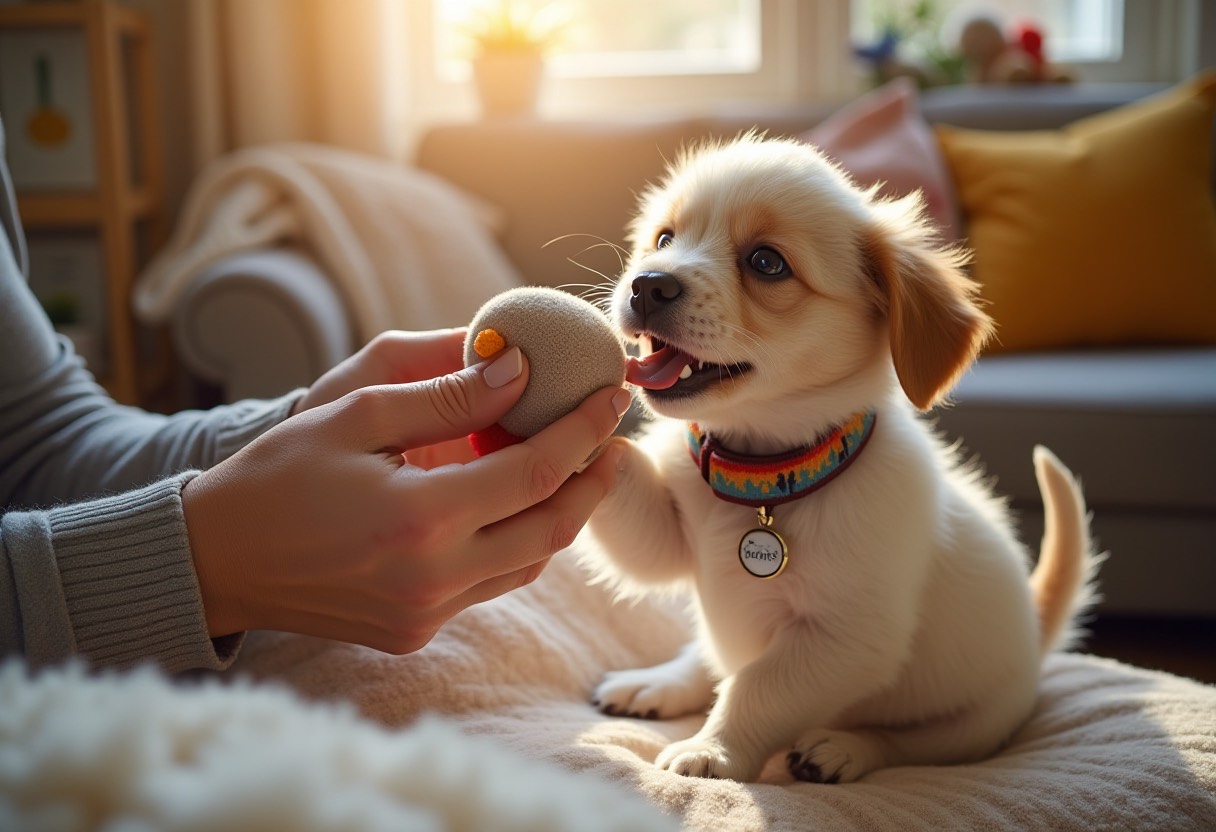
This is the golden ticket to solving most puppy biting problems. Teaching bite inhibition doesn’t mean stopping all biting immediately—it means teaching your pup how to bite softly and eventually, not at all.
The “Ouch!” Technique
When your puppy bites too hard during play, let out a loud, high-pitched “Ouch!”—just like a littermate would. Then, stop playing for 20-30 seconds. This sends a clear message: biting too hard ends the fun.
Be consistent. If the biting continues, repeat. If it escalates, move away entirely and take a short break. Over time, your puppy learns that gentle play = fun, and rough play = no attention.
How to Use Time-Outs Effectively
Time-outs work best when used calmly. No yelling, no grabbing—just quietly remove yourself or the puppy from the situation for a minute or two. Think of it as a reset button, not a punishment.
Consistency is key. Every time the bite gets too strong, the fun stops. That’s how your puppy learns to control their mouth and play more gently.
Role of Gentle Play in Training
Play is powerful. It teaches boundaries, boosts confidence, and builds your bond. Use it wisely. Always have a toy nearby during play sessions. Redirect mouthy behavior to the toy, and praise your pup for using it.
Also, avoid games that encourage rough mouth play (like letting them tug your sleeves). Instead, use tug toys and reward calm, non-bitey behavior.
Redirecting Biting Behavior
One of the most effective ways to stop biting without punishment is redirection. Puppies aren’t trying to misbehave—they’re trying to engage. Your job is to show them how to do that appropriately.
Substituting Hands with Toys
It’s easy to use your hands when playing with a puppy, especially when they’re small and cute. But that habit teaches your pup that human skin is a toy—and that’s not a message you want to send.
Instead, always have a toy nearby. When your puppy starts biting at your fingers or grabbing your sleeves, gently stop the interaction and offer the toy instead. Wiggle it, squeak it, make it interesting. Once your puppy latches onto the toy, give praise like you’re cheering for a touchdown.
This teaches your pup, “Biting toys gets attention and fun; biting hands gets ignored or redirected.” Over time, they’ll start choosing the toy on their own.
Keeping Chew Toys Handy at All Times
Here’s a practical tip: stash chew toys in every room your puppy spends time in. Keep one in your pocket during training or playtime. That way, you can redirect instantly.
Timing is everything in training. If you wait too long to redirect, your puppy might get confused or miss the connection. Having toys within reach makes consistency easy and gives your puppy a better chance to succeed.
Try using a mix of textures—rubber bones, rope toys, and soft plushies. This keeps your puppy’s interest high and their teeth occupied with something safe and appropriate.
When to Use Tug Toys and Puzzle Feeders
Tug toys can be your secret weapon—if used correctly. Tug-of-war is great for bonding, draining energy, and teaching impulse control. Just set some ground rules: the game stops if teeth touch your hand, and your puppy must “drop it” when asked.
Puzzle feeders and treat-dispensing toys are another great option. These engage your pup mentally and physically, reducing boredom (a major cause of biting). Fill them with kibble or soft treats, and let your puppy work for their reward.
These tools redirect chewing urges into positive, enriching activities—while giving your furniture a break.
Training Commands That Help
Sometimes, biting persists because puppies don’t know what else to do. That’s where training commands come in. Think of them as communication tools that help both you and your puppy stay on the same page.
Teaching “Leave It” and “Drop It”
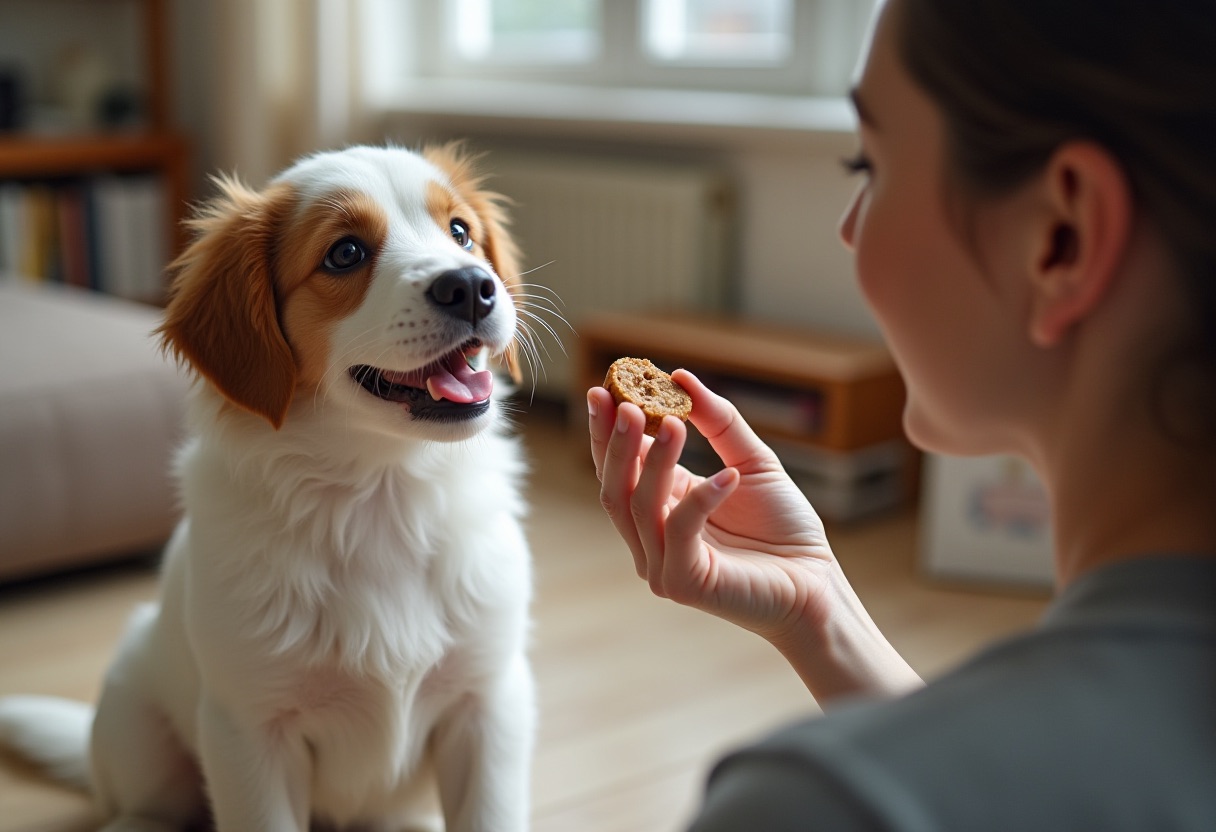
“Leave it” is a lifesaver—not just for biting, but for keeping your puppy safe in general. It tells them to back off from something they’re interested in (like your fingers). Start by teaching it with treats or toys, using the classic method:
- Hold a treat in your hand and let your puppy sniff it.
- When they try to get it, say “Leave it.”
- As soon as they back off, reward them with a different
- Repeat until they learn to wait patiently when they hear the cue.
“Drop it” works similarly but is for objects already in their mouth. Practice with a toy. Say “drop it,” and when your puppy releases, reward with a treat or praise. Eventually, you can use it when they pick up your shoe—or your sleeve.
Using Positive Reinforcement
Dogs do what works. If biting gets attention—even negative attention—it’ll continue. But if calm behavior gets the reward, biting loses its appeal.
Every time your puppy chooses a toy over your hand, reward them. Every time they stop biting when told, praise them. Use treats, toys, or verbal love—whatever makes their tail wag.
The key is immediate feedback. Puppies live in the moment, so catching those good choices in real-time speeds up learning like magic.
Reinforcing Calm Behavior
Here’s a hidden gem in behavior training: reinforce your puppy when they’re not biting, especially when they’re calm and relaxed.
If your pup lies down quietly or chews on a toy instead of gnawing on your furniture—acknowledge it. Offer a soft “Good pup,” a treat, or even a gentle scratch. This tells your puppy, “This peaceful thing you’re doing? I love it. Do more of that.”
You’re shaping behavior not just by stopping the bad stuff, but by encouraging the good stuff to bloom.
Socialization and Its Role in Reducing Biting
Believe it or not, one of the best tools against biting is other puppies. Socialization plays a massive role in teaching your dog how to interact properly—with both humans and other dogs.
How Other Puppies Teach Bite Inhibition
In puppy playgroups, biting is a regular part of the fun—but it comes with natural consequences. If one pup bites too hard, the other yelps or walks away. That immediate feedback helps puppies learn the limits of acceptable play.
This peer-to-peer learning is powerful. It’s instinctive, honest, and effective in a way humans sometimes can’t replicate. It teaches puppies to control their bite pressure and develop social awareness.
If your puppy missed out on time with their litter, joining a well-run playgroup or puppy kindergarten class can help fill that gap.
Importance of Puppy Playgroups
Supervised playgroups offer a controlled environment where your puppy can interact safely. Trained facilitators watch for rough behavior, redirect when needed, and make sure all the puppies are playing nicely.
It’s also a great opportunity for your dog to meet different breeds, sizes, and personalities—helping them become more confident and less mouthy around others.
Look for groups with small class sizes, separate spaces for large and small dogs, and trainers who use positive reinforcement methods.
Monitoring Safe Social Interactions
Not all dogs—or owners—understand safe play. While socialization is crucial, it needs to be done responsibly. Watch for signs of overstimulation or bullying, like constant pinning, yelping, or one pup trying to escape.
Be your puppy’s advocate. If things get too rowdy, step in. Use these experiences to teach your puppy how to engage gently, back off when needed, and respect boundaries.
Safe, consistent socialization teaches life skills that reduce biting, build confidence, and set your pup up for a lifetime of good behavior.
Managing High-Energy Biting Episodes
You’ve probably noticed that your puppy gets extra mouthy during certain times of the day—usually when they’re either hyper or overtired. These “zoomie” moments are biting hotspots, but they’re manageable.
Recognizing Overstimulation
When puppies get too wound up, they lose control—kind of like a toddler who missed their nap. Suddenly, they’re bouncing off the walls and biting everything in sight.
Learn to spot the signs: wild eyes, non-stop jumping, barking, or spinning. These aren’t bad behaviors—they’re signals that your pup needs help calming down.
Trying to train during this state won’t work. Instead, it’s time to reset their energy levels.
Using Scheduled Play and Nap Times
Structure helps your puppy thrive. Build a daily routine that includes play, potty breaks, meals, training, and—just as important—naps. Yes, puppies need a lot of sleep—up to 18–20 hours a day.
Overtired puppies are just like overtired kids: cranky, mouthy, and emotionally fragile. Scheduling rest prevents those chaotic episodes where biting takes over.
Use play to burn energy in short, intense bursts. Then guide your pup to a quiet space with a chew toy to wind down. Over time, they’ll learn to self-regulate and settle more easily.
Balancing Exercise and Rest
Think of your puppy’s day like a seesaw. Too much stimulation with no rest leads to hyper, bitey behavior. Too much rest with no activity causes boredom—and you guessed it, more biting.
The goal is balance. Provide plenty of physical exercise (walks, tug, fetch), mental stimulation (puzzle toys, training sessions), and rest. A well-exercised, well-rested puppy is far less likely to use your hands as a chew toy.
And remember—biting isn’t just a habit. It’s often a sign of unmet needs. Meet those needs, and the biting often melts away.
The Importance of Routine and Structure
Dogs thrive on consistency, and puppies are no exception. If your puppy is biting constantly, part of the problem might be a lack of structure. A consistent routine creates predictability, which reduces anxiety—and anxious puppies often chew more as a coping mechanism.
Establishing Feeding and Playtime Schedules
Set regular times for meals, potty breaks, walks, training, and naps. Just like children, puppies feel more secure when they know what to expect. When they’re calm and confident, they’re far less likely to bite out of frustration or confusion.
For example, feeding your puppy at the same time every day helps regulate their energy and digestion. Following meals with a potty break and a short play session creates rhythm. Knowing they’ll get to release their energy soon helps prevent random biting outbursts.
Over time, this structure shapes their understanding of the day. They learn: food comes here, play happens there, and downtime follows. This calm predictability is gold when trying to eliminate chaotic behaviors like constant nipping.
Setting Clear Boundaries Without Force
Puppies test limits—it’s how they learn. But setting boundaries doesn’t mean using punishment. Instead, be clear and consistent in your expectations.
For instance, if you don’t want your puppy chewing shoes, never allow it—not “sometimes when I’m tired” or “only when it’s an old pair.” Inconsistency confuses your dog and delays training.
Redirect, don’t reprimand. Use verbal cues like “no” or “uh-uh” calmly and offer an alternative. Then reward them when they make the right choice.
Remember, boundaries are best enforced with gentle consistency, not fear. That’s how you raise a dog who listens because they trust you, not because they’re scared of you.
How Predictability Reduces Anxiety and Biting
Puppies bite more when they’re overwhelmed, uncertain, or under-stimulated. A predictable environment lowers stress levels and gives your dog the mental space to focus, learn, and behave.
If biting tends to ramp up during busy parts of the day—like when the kids get home from school or during dinner time—it may signal overstimulation. Having a routine that includes “quiet time” or crate rest during those hours helps immensely.
Predictability also helps you as the owner. When you know your puppy’s energy and nap cycles, you can better anticipate biting triggers and step in with a toy, walk, or chew before it becomes a problem.
When to Seek Professional Help
Let’s be real—some biting goes beyond normal puppy behavior. If your pup seems aggressive, unresponsive to training, or you’re feeling overwhelmed, there’s no shame in asking for help. In fact, it’s the smartest thing you can do.
Signs of Aggression vs. Playful Biting
Puppies bite during play—it’s how they learn. But there’s a big difference between playful nipping and aggressive behavior. Know the warning signs:
- Playful biting is usually gentle, brief, and comes with a wagging tail or bouncy movements.
- Aggressive biting is accompanied by growling, stiff posture, prolonged biting, snapping, or raised hackles.
If your puppy bites and then immediately seeks more play, that’s likely normal. If they bite and escalate, show signs of fear, or seem irritable all the time—it may be a deeper issue.
Working with a Certified Trainer
A good trainer can be life-changing—not just for your puppy, but for your confidence as a dog owner. Look for a Certified Professional Dog Trainer (CPDT) or behaviorist who specializes in positive reinforcement.
They’ll help you assess your puppy’s behavior, pinpoint root causes, and build a customized plan that works for your lifestyle. Plus, they can model techniques in real-time, so you’re not just reading about it—you’re seeing it in action.
Even a single session can give you clarity and accelerate your puppy’s progress.
Behavioral Assessments and Puppy Classes
If you’re unsure whether your puppy’s biting is normal, a behavioral assessment can help. These evaluations examine your dog’s body language, play style, social responses, and overall temperament.
Group puppy classes also offer huge benefits. They combine training, socialization, and exposure to distractions—all in a supervised setting. Your puppy learns bite inhibition, manners, and basic obedience in a way that’s structured and rewarding.
Plus, they tire out your pup—a bonus if biting happens during energy peaks.
Tools and Products That Can Help
No, you don’t need a million gadgets—but the right tools can make training smoother and more effective. Here are a few worth having in your toolkit.
Teething Rings and Natural Chews
For teething puppies, relief is everything. Teething rings (especially those you can freeze) soothe sore gums and keep jaws busy. Look for puppy-safe rubber or silicone rings that won’t break apart easily.
Natural chews like bully sticks, yak chews, or dehydrated tendons are also great. They’re long-lasting, tasty, and give your puppy something satisfying to gnaw on. Always supervise, of course.
Avoid rawhide, which can pose a choking hazard and often contains chemicals.
Bitter Sprays and Chew Deterrents
Sometimes a little taste aversion helps. Bitter apple spray or citrus-based deterrents make furniture, cords, and shoes less appealing. They’re safe, non-toxic, and easy to apply.
Just be sure to pair them with redirection. If your puppy stops chewing the couch, but doesn’t know what to chew instead, you haven’t solved the problem—only stalled it.
So spray the furniture, then hand your pup a toy and praise them for chewing the right thing.
Clickers and Training Aids
Clicker training is a simple but powerful tool. A click marks the exact moment your puppy does something right—like choosing a toy instead of your toes. Follow the click with a treat, and your puppy learns to repeat that behavior.
Over time, you can use the clicker to reinforce everything from “drop it” to “calm down.” It creates a clear line of communication and speeds up learning.
Other helpful tools include treat pouches (so rewards are always handy), puzzle toys for mental stimulation, and soft training leashes for gentle redirection.
Common Mistakes to Avoid
Let’s face it—we’ve all made mistakes with our pets. But when it comes to biting, some missteps can actually make the problem worse. Here’s what to watch for.
Yelling or Hitting
Even if your puppy draws blood, punishment is not the answer. Yelling, smacking, or jerking their leash may scare them into submission temporarily—but it damages trust and often leads to more severe behavioral issues.
Fear-based training suppresses symptoms but doesn’t solve the root issue. Worse, it can make your dog anxious, reactive, or even aggressive over time.
Stay calm, stay consistent, and remember: puppies don’t understand punishment. They understand redirection and rewards.
Encouraging Rough Play
You might think it’s cute when your puppy tugs at your sleeves or play-bites your hand—but those behaviors won’t seem so cute when they’re 60 pounds and doing the same thing.
What you allow now becomes a habit later. If you don’t want rough mouth play in adulthood, don’t allow it during puppyhood.
Stick to toys, and teach your puppy how to interact with humans respectfully. Roughhousing is fine—but use tug toys, not your arms, to keep boundaries clear.
Inconsistent Responses to Biting
If one family member ignores the biting, another scolds it, and another laughs—it sends mixed signals. Puppies thrive on clarity. Consistency across all caregivers is critical.
Create a family plan. Agree on commands like “leave it,” when to redirect, and what behaviors earn praise. Post the plan on the fridge if needed. The more united you are, the faster your puppy learns.
Success Stories and Real-Life Examples
If you’re feeling like the biting will never end—don’t worry, you’re not alone. Many puppy parents have walked this exact path and come out the other side with calm, well-behaved dogs. These real-life stories can inspire and reassure you that positive training works.
How One Owner Transformed Their Biter
Meet Sarah, a first-time dog mom to a Labrador puppy named Max. At 10 weeks old, Max was a biter. He chomped on everything—hands, pant legs, couch cushions, even guests’ shoes. Sarah tried scolding, but Max just got sneakier.
After switching to a no-punishment approach, Sarah started using redirection, teething toys, and the “Ouch!” technique. She also joined a local puppy class and learned how to teach “Leave it” and “Drop it.”
Within three weeks, Max’s biting was noticeably reduced. By five months, he was calmly chewing on designated toys, and by eight months, biting was a distant memory. Max is now a therapy dog in training. Sarah swears by gentle methods and encourages all new owners to be patient and positive.
Before and After Using Gentle Techniques
Then there’s Jason, a busy dad of two who brought home a spirited German Shepherd pup named Luna. At first, the kids loved her—until Luna started nipping during playtime. They cried, and Luna got confused.
Jason followed advice to never yell and instead used time-outs and tug toys to manage her energy. They also made a household rule: no hands in play, ever.
Fast forward two months—Luna now greets the kids with licks, not nips. She drops toys on command and has learned to self-soothe with puzzle feeders. The kids are back to loving playtime, and Jason feels more confident as a dog parent.
Trainer Tips That Actually Work
Professional trainers also have amazing success stories. Many recommend:
- High reward frequency for desired behaviors.
- Short, 5-minute sessions several times a day.
- Predictable routines and mentally stimulating games.
These small changes, repeated daily, stack up to powerful results. Trainers agree: the best behavior changes come not from harsh corrections, but from consistent, kind leadership.
Long-Term Behavior Shaping
Getting through the puppy biting phase is only the beginning. Your ultimate goal isn’t just to stop biting—it’s to raise a dog who understands your expectations, respects your space, and trusts you completely. That’s where long-term behavior shaping comes in.
Reinforcing Good Habits Over Time
Just because your puppy has stopped biting doesn’t mean you’re done. Behavior is a lifelong journey, and reinforcement is how you maintain progress.
Keep praising gentle interactions. Continue redirecting when needed. And always provide plenty of outlets for your dog’s natural chewing instincts—even into adulthood.
Training is not a “one and done” thing. It’s a lifestyle. And the more you reward good behavior, the more your dog will offer it freely.
Tracking Progress and Milestones
Progress might feel slow at first, but it’s there. Keep a journal or note on your phone to track:
- Days without biting incidents.
- Commands your puppy is mastering.
- Socialization successes (like meeting a new dog without biting).
These notes remind you how far you’ve come—and help identify any patterns if biting returns.
Celebrate small wins. Every “good boy” or “good girl” adds up to a calmer, happier pup.
Celebrating Puppy Growth Without Punishment
Your puppy is growing fast—not just physically, but mentally and emotionally. The best way to support that growth is with patience, empathy, and positive reinforcement.
Celebrate the journey. Laugh at the missteps. Enjoy the cuddles in between training sessions. And remember—biting is just a phase. With the right tools, mindset, and a whole lot of chew toys, you’ll get through it.
And one day soon, you’ll look at your calm, well-mannered dog and smile, knowing you shaped that behavior—with kindness, not punishment.
Conclusion
Stopping your puppy from biting everything in sight might feel like an impossible task—but it’s absolutely doable without using fear or punishment. By understanding why biting happens, creating a structured environment, and using consistent redirection and training, you can guide your puppy into a calmer, gentler companion.
Every puppy is different, but they all crave the same things: connection, consistency, and compassion. Lead with love, reinforce the good, and offer alternatives instead of punishment—and you’ll not only stop the biting but also build a bond that lasts a lifetime.
FAQs
Why is my puppy suddenly biting more than usual?
This could be due to teething, overstimulation, boredom, or even a growth spurt affecting behavior. Revisit your routine—are they getting enough exercise, sleep, and stimulation? Try redirecting their energy with toys or structured play sessions.
At what age do puppies stop biting everything?
Most puppies stop excessive biting between 6–8 months as they finish teething and complete basic training. However, bite inhibition and polite play should be taught early—ideally by 10–12 weeks. With consistency, mouthy behavior usually fades.
Can biting be a sign of a bigger behavioral problem?
Yes, if the biting is aggressive (growling, stiff body, guarding), it might go beyond normal puppy behavior. In those cases, consult a professional trainer or behaviorist. It’s always better to intervene early.
What’s the best toy to stop biting behavior?
Frozen teething rings, rope toys, and tough rubber toys like KONGs work wonders. Toys that engage your puppy’s mind (like treat dispensers) also help prevent boredom-related biting.
How do I train my kids to react to a biting puppy?
Teach them to stay calm, stop play immediately when bitten, and avoid yelling or pulling away. Have them offer a toy instead of their hands. Supervise all interactions until your puppy learns to be gentle.
1. Is it okay to let puppies bite during play?
Mild biting during play is normal, but it’s important to teach bite inhibition early. You can allow gentle mouthing as long as it doesn’t escalate. The goal is to reduce and eventually eliminate all biting directed at humans.
2. What if my puppy only bites certain people?
Puppies often bite more with people who are more active or less assertive. Children are common targets due to their fast movements. Teach everyone in the household consistent responses to biting, and ensure play is calm and structured.
3. Should I use a muzzle to stop my puppy from biting?
Muzzles should never be used to stop normal puppy biting. They can cause stress and prevent your puppy from learning proper behavior. Focus on redirection, bite inhibition, and training instead.
4. Why does my puppy bite more when excited?
Excitement often triggers mouthy behavior. This is a self-regulation issue—your puppy doesn’t yet know how to control their emotions. Help by managing energy levels, keeping interactions calm, and offering toys during high-energy moments.
5. Can over-petting cause a puppy to bite?
Yes, some puppies become overstimulated by too much petting, especially on sensitive areas like the belly or paws. If your puppy starts biting during cuddles, it’s a sign to pause, redirect, or slow down the affection.
6. Do certain breeds bite more than others?
Some breeds are more mouth-oriented due to their working history—like retrievers, shepherds, or terriers. But every puppy needs to learn boundaries regardless of breed. Consistent training is the key for all dogs.
7. Is crate training helpful for biting issues?
Yes, crates provide a safe space for puppies to calm down when overstimulated. Use the crate for rest periods—not punishment. A well-rested puppy is less likely to be overly mouthy.
8. How long should I ignore my puppy after a bite?
If you’re using time-outs or removing attention, even 30–60 seconds is effective. The key is consistency. Once they calm down, re-engage with a toy or calm praise to reinforce positive interaction.
9. Will neutering/spaying stop biting behavior?
Neutering or spaying doesn’t typically affect puppy biting, which is a developmental and behavioral issue—not a hormonal one. Training and socialization are what stop biting, not surgery.
10. My puppy bites when I try to take something away—what should I do?
This could indicate resource guarding, which needs careful handling. Train the “drop it” command using high-value rewards and avoid forcibly removing items. If it persists, seek help from a professional trainer.


0 Comments